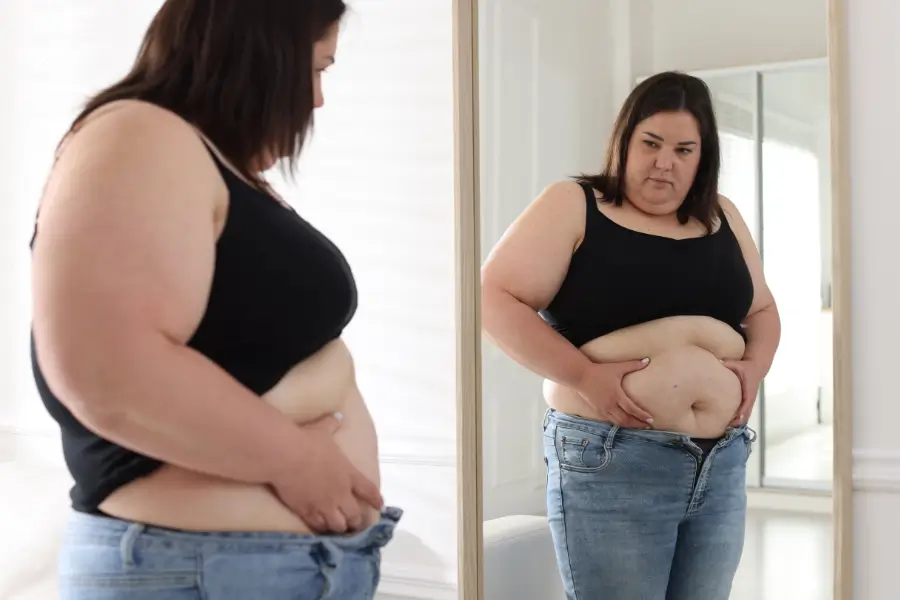
A round, stubborn belly that will not shrink, no matter how clean you eat, can be confusing and frustrating. For many people, the cause is not diet or willpower at all. It is their hormones. Hormonal belly fat develops when the body’s chemical messengers fall out of balance, and it behaves differently from regular fat when it comes to losing it.
This guide answers the most common questions about this condition, from what it is to how you can treat it for good.
What Is a Hormonal Belly?
A hormonal belly is fat that gathers around the stomach because of a shift in hormone levels, rather than from calories alone. Hormones act like internal messengers that decide where fat gets stored and when it gets burned.
When these messages get disrupted, by stress, poor sleep, or age-related changes, fat tends to collect in the belly instead of spreading evenly across the body. This pattern is also called a hormone belly, and it affects both men and women, though the specific hormones involved often differ between the two.
What sets it apart from ordinary weight gain is speed. It can appear within weeks and often resists normal diet and exercise routines until the underlying hormone issue is addressed directly.
What Is the Shape of Hormonal Belly?
The hormonal belly shape has a distinct look that sets it apart from general weight gain. It typically forms a firm, rounded mound that sits high around the midsection, while the rest of the body, including the arms, legs, and hips, stays fairly proportionate.
The skin often feels tight rather than soft, and the shape does not shrink or grow much within a single day, unlike swelling from bloating. Spot exercises like crunches rarely change this shape on their own, since the fat is tied to hormone signals rather than muscle tone underneath.
What Causes a Hormonal Belly?
Several hormones influence fat storage, and the leading hormonal belly causes fall into a few clear categories:
- Cortisol: Long-term stress keeps cortisol levels elevated, and this hormone directly tells the body to store fat around the belly.
- Insulin: A diet high in sugar and refined carbs can lead to insulin resistance, which blocks fat burning and pushes the body toward fat storage instead.
- Estrogen: During perimenopause and menopause, falling estrogen shifts fat storage away from the hips and thighs and toward the stomach.
- Thyroid hormones: An underactive thyroid slows metabolism, which makes weight gain around the middle more likely.
This kind of hormonal imbalance belly usually builds up slowly, which is why many people only notice it once their clothing starts fitting differently. A related pattern, known as hormonal lower belly fat, sits just below the navel and connects strongly to estrogen and insulin changes.
Among the wider set of lower belly fat causes, poor sleep and chronic stress stand out, since both interfere with the hormones responsible for controlling appetite.
This issue shows up often in hormonal belly women going through pregnancy, postpartum recovery, or menopause, though men can experience a similar hormonal stomach as testosterone naturally declines with age.
Common Signs of a Hormonal Belly
A hormonal belly rarely appears on its own. It usually comes paired with other hormonal belly symptoms, including:
- Sudden stomach weight gain without any real change in diet
- Constant tiredness or low energy throughout the day
- Trouble falling or staying asleep at night
- Strong, frequent cravings for sugar or refined carbs
- Noticeable mood swings or irritability
- Skin changes such as dryness, dullness, or breakouts
If several of these symptoms show up together, it is worth getting your hormone levels checked by a doctor rather than assuming diet is the only factor at play.
Hormonal Belly Bloating vs Fat: What’s the Difference?
The two behave quite differently once you know what to look for. Bloating is temporary swelling caused by water retention, digestion, or shifts during the menstrual cycle, while fat builds up gradually over weeks or months and stays fairly consistent. The table below breaks down the key differences at a glance.
| Feature | Bloating | Fat |
| Cause | Water retention, digestion, or menstrual cycle shifts | Long-term hormone imbalance and calorie storage |
| Speed of onset | Appears suddenly, within hours | Builds up slowly over weeks or months |
| Duration | Fades within a day or two | Stays until actively reduced |
| Daily pattern | Flatter in the morning, puffier by evening | Stays consistent throughout the day |
| Feel | Tight, gassy, or swollen | Firm and steady |
| How to check | Track stomach size at the same time daily; look for ups and downs | Track stomach size at the same time daily; look for steady size |
How to Get Rid of a Hormonal Belly?
Supporting your hormones directly, rather than relying only on calorie counting, makes the biggest difference. These core habits form the strongest foundation:
- Prioritize sleep: Aim for seven to nine hours a night to keep cortisol and appetite hormones steady.
- Add strength training: Lifting weights two to three times a week builds muscle and improves how your body responds to insulin.
- Cut back on added sugar: Reducing sugar and refined carbs prevents the insulin spikes that encourage fat storage.
- Keep meal timing consistent: Eating around the same times each day helps stabilize blood sugar.
- Stay hydrated: Drinking enough water supports digestion and reduces everyday bloating.
These habits work best as a group. Combining even three or four of them consistently brings noticeably faster results than relying on just one.
How to Reduce Hormonal Belly Fat Naturally?
Nutrition plays the biggest role for anyone who wants to avoid medication. Whole foods such as vegetables, lean protein, and healthy fats keep insulin levels steady and reduce cravings throughout the day. Fiber-rich foods like beans, oats, and leafy greens slow digestion and keep you feeling full longer, which naturally prevents overeating. Alongside diet, gentle movement such as walking or yoga lowers cortisol without adding extra strain on the body, unlike intense workouts that can sometimes push stress hormones even higher. Herbal teas such as spearmint or green tea may offer a small additional boost, but they work best as support tools alongside good sleep and balanced meals rather than as a stand-alone solution.
How to Fix a Hormonal Belly for Good?
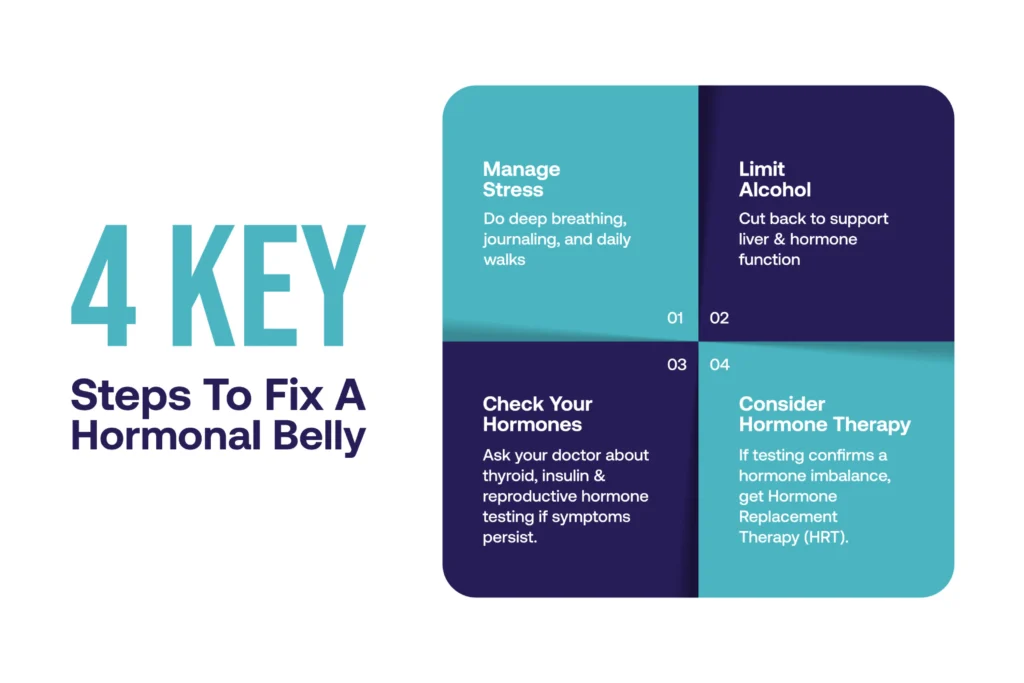
Quick fixes rarely hold up over time, so lasting change means thinking beyond short-term diets.
- Managing stress sits at the center of any real solution, since ongoing stress keeps cortisol elevated no matter how carefully you eat.
- Simple daily practices, such as deep breathing, journaling, or short walks outdoors, can lower stress levels in a meaningful way over time.
- Cutting back on alcohol also helps, since it places extra strain on the liver and disrupts hormone processing.
If these lifestyle changes bring no real improvement after a few months, a doctor can run blood tests to check thyroid, insulin, and reproductive hormone levels, which may uncover a deeper issue that needs more targeted treatment.

Final Thoughts
A hormonal belly is more common than most people realize, and it is not a sign of failure or a lack of discipline. It is simply your body responding to internal shifts that need attention. With consistent sleep, smarter food choices, regular movement, and lower stress levels, most people see real and lasting improvement over time. If home-based changes do not bring enough progress, a doctor can check your hormone levels and help guide the next step. Small, steady habits, practiced consistently, remain the most reliable path to lasting results.
FAQs About Hormonal Belly
It is stomach fat linked to a hormone imbalance rather than diet alone, and it often shows up as a firm, round area around the midsection while the rest of the body stays slim.
A mix of hormone shifts during the menstrual cycle, pregnancy, and menopause plays the biggest role, combined with diet, stress levels, sleep quality, and genetics. These factors often overlap, which makes it hard to point to just one single cause.
Declining estrogen and rising insulin resistance stand out as the two leading factors, since both direct fat storage specifically toward the lower stomach area. Weak core muscles and slower digestion can also make this area appear more noticeable than other parts of the body.
Beyond hormone shifts, poor posture, weak abdominal muscles, and digestive issues such as constipation or chronic bloating can all play a part. In most cases, several of these factors combine with hormonal changes to create this pattern over time.